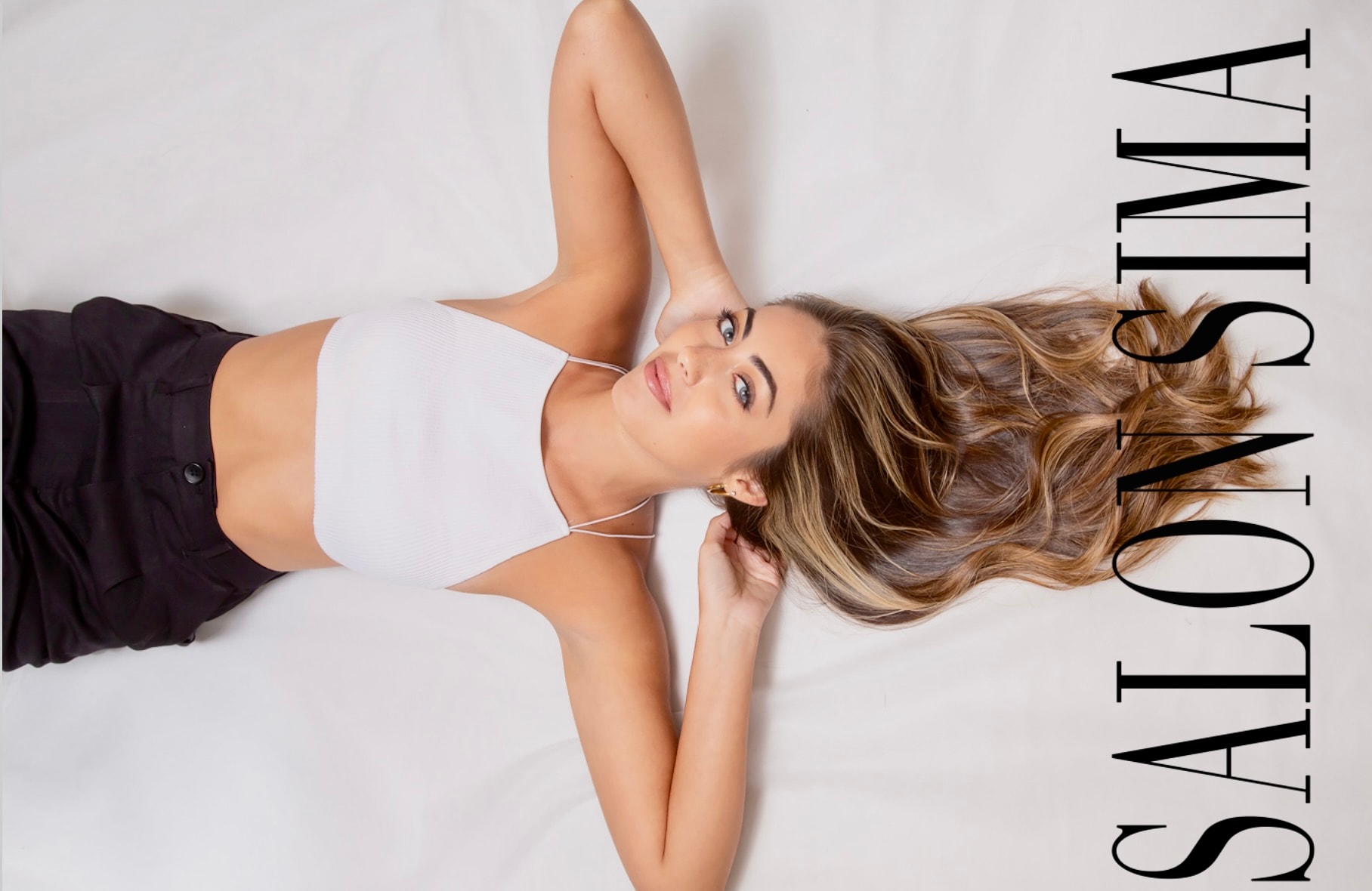
7 Habits of People With Consistently Great Hair
Great hair between salon visits comes down to a few simple habits. Here are the seven things people with consistently beautiful hair do differently.

You know those people whose hair always looks effortlessly great — even between salon appointments? It's not luck, and it's not necessarily expensive products. It comes down to a handful of consistent habits that protect and nourish the hair they already have. Here are the seven most impactful things you can do for your hair starting today.
1. They Wash Less Often Than You Think
One of the most common hair mistakes is washing too frequently. Shampooing every day strips the scalp of its natural oils — the same oils that keep your hair moisturized, shiny, and protected. Over time, daily washing can lead to dryness, frizz, and even increased oil production as your scalp tries to compensate.
Most hair types do best with washing 2–3 times per week. Fine hair may need slightly more frequent washing, while thick or curly hair can often go even longer between washes. Dry shampoo is a great tool for extending the time between washes without sacrificing freshness.
2. They Use the Right Shampoo for Their Hair Type
Not all shampoos are created equal, and using the wrong one for your hair type can do more harm than good. Here's a quick guide:
- Fine or oily hair: Look for a volumizing or clarifying shampoo that cleanses without weighing hair down
- Dry or damaged hair: Choose a moisturizing or repairing shampoo with ingredients like argan oil, keratin, or shea butter
- Color-treated hair: Always use a sulfate-free, color-safe shampoo to preserve your color and prevent fading
- Curly or coily hair: Look for a hydrating, sulfate-free formula that enhances curl definition
If you've had a keratin treatment or hair extensions, sulfate-free is non-negotiable.
3. They Condition Every Single Time
Conditioner is not optional. Every time you shampoo, you should follow with conditioner — full stop. Shampoo cleanses the hair, which opens the cuticle slightly. Conditioner closes the cuticle back down, smoothing the hair and locking in moisture.
Apply conditioner from mid-length to ends, avoiding the scalp (which produces its own oil). Leave it on for at least 2–3 minutes before rinsing. For an extra boost, swap your regular conditioner for a deep conditioning mask once a week.
4. They're Gentle When Hair Is Wet
Wet hair is at its most vulnerable. The hair shaft swells with water, making it more elastic and prone to breakage. People with great hair treat their wet hair with extra care:
- Never brush wet hair with a regular brush — use a wide-tooth comb or a brush specifically designed for wet hair, starting at the ends and working up
- Pat dry, don't rub — rubbing with a towel creates friction that roughens the cuticle and causes frizz; instead, gently squeeze out excess water
- Use a microfiber towel or a cotton T-shirt instead of a regular terry cloth towel for even less friction
5. They Protect Their Hair From Heat
Heat styling is one of the biggest contributors to hair damage over time. That doesn't mean you have to give up your blow-dryer or flat iron — it means using them smarter.
Always use a heat protectant before applying any heat to your hair. A good heat protectant creates a barrier between the hair shaft and the heat source, significantly reducing damage.
Use the lowest effective temperature. Fine or damaged hair should be styled at lower temperatures (under 350°F). Thick or coarse hair can handle higher heat, but there's rarely a reason to go above 400°F.
Give your hair a break. Try to have at least one or two air-dry days per week. Your hair will thank you.
6. They Get Regular Trims
This one surprises people — but regular trims are one of the most important things you can do for the health and appearance of your hair. Split ends don't stay at the ends. If left untrimmed, they travel up the hair shaft, causing breakage and making hair look dull and frizzy.
Most stylists recommend a trim every 6–8 weeks for shorter styles and every 8–12 weeks for longer hair. Even if you're growing your hair out, a small dusting trim every few months will keep your ends healthy and your hair growing stronger.
7. They Nourish From the Inside Out
Beautiful hair starts with what you put in your body, not just what you put on your hair. Hair is made of protein, so a diet that's low in protein can lead to thinning and slow growth. Hydration matters too — dehydrated hair is dry, brittle, and prone to breakage.
A few nutrients that are especially important for hair health:
- Protein: Eggs, chicken, fish, legumes
- Biotin: Eggs, nuts, seeds, sweet potatoes
- Iron: Red meat, spinach, lentils (iron deficiency is one of the most common causes of hair loss)
- Omega-3 fatty acids: Salmon, walnuts, flaxseed
- Vitamin C: Citrus fruits, bell peppers, strawberries (helps with iron absorption)
If you're concerned about hair loss or thinning, it's worth talking to your doctor about a blood panel to check for deficiencies.
The Bonus Habit: Invest in Professional Care
All the at-home habits in the world work best when they're supported by regular professional care. A great stylist doesn't just cut and color your hair — they assess its health, recommend the right treatments, and help you build a routine that works for your specific hair type.
At Salon Sima in Boca Raton, we love helping clients understand their hair and build routines that keep it looking its best between visits. Call us at (561) 395-1344 or book online to schedule your next appointment.
Explore Topics
Written by
Salon Sima Team
Content creator and writer sharing insights and stories.